The Justice Department's Epstein Photo Controversy: Unpacking Lutnick's Island Visit and the Significance of Epstein File Photos
The saga surrounding Jeffrey Epstein continues to unfold, revealing new layers of complexity and sparking public debate with each document and image released. Among the most recent developments, a particular photograph showing Commerce Secretary Howard Lutnick alongside the convicted sex offender on Epstein's infamous Caribbean island has drawn intense scrutiny. This incident highlights not only the enduring nature of the Epstein scandal but also the profound impact and sensitivity surrounding the release of `epstein file photos`. These images, often just a single frame, possess the power to ignite fresh controversies and reinforce the grim reality of a global network of exploitation.
The Resurfacing of Troubling Images: The Lutnick Photo Controversy
The Justice Department’s recent release of documents and images from the vast `Epstein files` brought to light a significant photograph featuring Commerce Secretary Howard Lutnick. The image depicted Lutnick, Epstein, and three other men standing by an oceanside cliff on Epstein's private island, Little St. James. This photo, which CBS News authenticated, quickly became a focal point for public discussion, raising questions about the connections Epstein cultivated with powerful individuals.
What followed next added another layer to the controversy: the photo was initially removed from the Justice Department’s website, only to be restored later. This temporary disappearance fueled speculation, prompting the Justice Department to issue a clarification. According to spokesperson Natalie Baldassarre, the image was part of a large batch of files flagged for potential nudity. Consequently, this batch of thousands of images was temporarily pulled for review and was being re-uploaded with necessary redactions on a rolling basis, with an assurance that no files were being deleted. This explanation underscores the delicate and complex task the Justice Department faces in releasing such sensitive `epstein file photos` to the public, balancing transparency with privacy and ethical considerations. The incident serves as a stark reminder of how even a single image can trigger a cascade of events and demand public accountability, intensifying the spotlight on anyone associated, however tangentially, with the scandal.
Howard Lutnick's Account: An Island Visit Under Scrutiny
Following the photo’s release and the ensuing public scrutiny, Howard Lutnick addressed the situation, offering his account of the visit to Epstein’s island. Testifying before a congressional committee, Lutnick acknowledged that he, his wife, and their four children had visited Little St. James in 2012. He described the visit as a brief stop for lunch during a family vacation, stating, "We had lunch on the island, that is true, for an hour... Then we left with all of my children, with my nannies and my wife all together. We were on family vacation. We were not apart."
Lutnick emphatically denied any wrongdoing related to Epstein, asserting he had "nothing to hide — absolutely nothing." He expressed difficulty recalling the specific reasons for the visit over a decade ago, but maintained its innocent nature. While Lutnick has not been accused of any illegal activity in connection with Epstein, the surfacing of `epstein file photos` depicting him on the notorious island has undeniably placed him under increased public and media scrutiny. His prior association with Epstein, as a New York City neighbor, further complicates the narrative, forcing a public figure to confront and explain past connections that have now been indelibly linked to one of the most disturbing scandals of our time. The episode serves as a powerful illustration of how even seemingly innocuous past interactions can be re-evaluated and scrutinized when illuminated by the grim context of the `epstein file photos`.
The Broader Context of the Epstein Files and Their Visual Impact
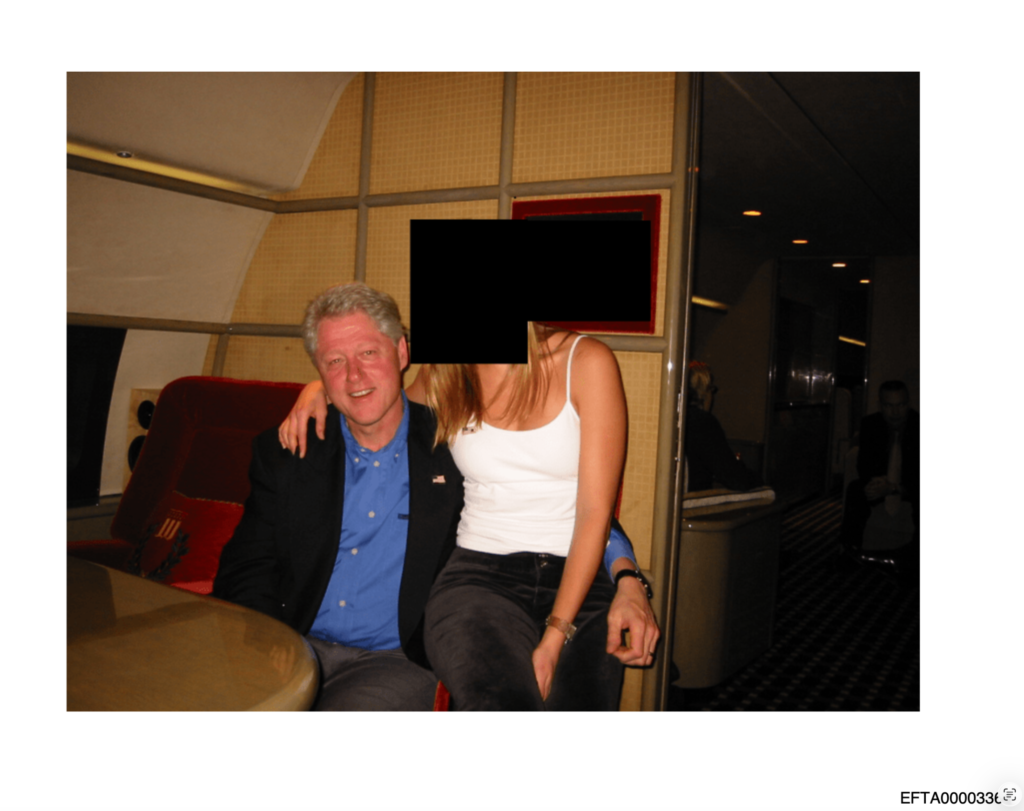
The sheer volume and disturbing nature of the `Epstein files` are almost unfathomable. Comprising millions of pages of documents, including emails, videos, and critically, thousands of `epstein file photos`, these archives offer a chilling window into a scandal that has touched the highest echelons of society. From royalty and heads of state to prominent business leaders and celebrities, the connections revealed within these files paint a picture of a sophisticated network that shielded Epstein's predatory activities for years. The visual evidence, in particular, has had an unparalleled impact. Photos depicting figures like Prince Andrew with his arm around a young woman, or images showing Epstein with Donald Trump and Melania Knauss at Mar-a-Lago, serve as undeniable markers of association, irrespective of any alleged wrongdoing. For a deeper dive into these connections, explore
Jeffrey Epstein Photos: Unveiling Elite Connections & Island Secrets.
Beyond the individuals, the `epstein file photos` also unveil the unsettling backdrop to Epstein's world. Britannica highlights elements like massage tables, taxidermy animals, and even a dentist chair incorporated into the "island paradise" decor. Such images transcend mere documentation; they offer visceral clues into the bizarre and disturbing environment Epstein cultivated, where the lines between luxury and depravity were starkly blurred. The visual narrative provided by these `epstein file photos` often communicates more powerfully than words, allowing the public to witness, in a raw and unfiltered way, aspects of the scandal previously confined to abstract reports. These images solidify the reality of the victims' experiences and underscore the egregious nature of Epstein's crimes and the complicity of those who knowingly or unknowingly facilitated them. To understand the full scope, you might be interested in
The Epstein Files in Photos: A Visual Chronicle of a Global Scandal.
The Power of Imagery in Public Scandals
In an age dominated by visual media, the power of a photograph in shaping public perception during a scandal cannot be overstated. Unlike written accounts or testimonies, which can be interpreted or debated, an image often presents a direct, unfiltered glimpse into a moment in time. For the `epstein file photos`, this translates into tangible evidence of proximity and association that is difficult to dismiss. A photo of a public figure with Epstein, regardless of context or alleged innocence, immediately raises questions and demands explanation. It serves as a visual receipt, permanently connecting individuals in the public consciousness to a deeply disturbing narrative.
This visual impact is critical for several reasons:
- Immediacy: Photos convey information instantly, often eliciting an emotional response before rational analysis.
- Authenticity (Perceived): While photos can be manipulated, the perceived authenticity of an official release from the Justice Department lends significant weight.
- Enduring Nature: Once an image is released, it becomes part of the public record, resurfacing repeatedly and shaping historical narratives.
The debate around Lutnick's photo highlights this vividly. Even with an innocent explanation, the image itself anchors him to the Epstein narrative, demanding a detailed public account.
Navigating Ethical Considerations and Public Scrutiny
The release of `epstein file photos` presents complex ethical challenges for all involved. For individuals whose images appear in these files, even those not accused of wrongdoing, the scrutiny can be intense and career-altering. They face the difficult task of defending their reputations against the backdrop of an incredibly toxic scandal.
From the Justice Department's perspective, the process involves a delicate balance:
- Transparency vs. Privacy: Releasing records, including photos, is crucial for public understanding and accountability. However, it must be balanced against the privacy rights of individuals and the potential for unfair association.
- Redaction Challenges: As seen with the Lutnick photo, identifying and redacting sensitive content (like nudity) from thousands of images is a monumental task, prone to delays and requiring meticulous review.
- Impact on Victims: The ongoing release of these materials can be re-traumatizing for Epstein's victims, a factor that must always be considered.
The controversy surrounding Lutnick’s photo underscores the need for clear communication from official sources and a nuanced public discourse that allows for explanations and due process, even as the search for justice continues.
Conclusion
The Justice Department's handling of the `Epstein file photos`, particularly the recent incident involving Howard Lutnick, underscores the enduring and deeply troubling nature of the Jeffrey Epstein scandal. These images are not mere documents; they are powerful visual evidence that continues to unravel the intricate web of connections Epstein cultivated, holding those associated with him accountable for public explanation. As more `epstein file photos` come to light, they will continue to serve as crucial pieces of a larger, horrifying puzzle, reminding the world of the vast human cost of this scandal and the persistent demand for transparency and justice. The ongoing revelations ensure that the shadow of Jeffrey Epstein and the elite figures connected to him will continue to provoke public scrutiny for years to come.